
54 Books to Read In 2026
Essential recommendations from some of the world’s most interesting and accomplished people.

Friends,
This is one of my favorite questions to ask:
If you had the power to assign a book for everyone on Earth to read and understand, what would you choose?
Long-time supporters of The Generalist will know it’s my preferred way to wrap up a Modern Meditations interview or a podcast episode. So, why do I like it so much? Isn’t it just a convoluted way of asking “What’s your favorite book?”
Not quite. (Though that is a pretty great question too, no matter how staid.) There is, I find, something useful about framing the prompt in this way, and asking people not just what books they liked but those they considered deeply important. Plenty of authors can grant us pleasure, but which ones created works that truly merited the world’s attention?
It also opens up the possibility for all kinds of enjoyable subplots. Will someone indulge in the hypothetical chance to promote their own work, thereby locking in a casual 8 billion in new book sales? How might they tilt humanity toward their philosophical or aesthetic preferences? Does it seem utterly unanswerable to them, given the swarm of wonderful books the world contains? Will they reject the premise outright, as a mini-autocracy dressed up as a parlor game? Each of these answers says something, I think, about the way a person reasons.
Over the years, this question has been the source of much joy, intrigue, alpha, and wisdom to me. And so, as we near the end of this year, I took the time to compile every recommendation we’ve received across The Generalist’s written and audio interviews into a single guide, lightly edited for readability. Since it contains no recommendations or musings of my own, I feel I can say with a straight face that it is quite a wonderful document, containing the preferred reads of an eclectic but stunningly accomplished group of people. MacArthur “genius” grantees mingle with multiple Midas List winners, prominent ethical philosophers, legendary entrepreneurs, and extreme biohackers. People who have built new cities sit alongside complexity scientists, a stone’s throw from a computer science legend and former professional poker player. So read on to discover what Alan Kay, Tyler Cowen, Reid Hoffman, David Krakauer, Laura Deming, Bryan Johnson, Katherine Boyle, and others think the world should read.
As you consider how you want to spend your time in 2026, I hope this collection might provide inspiration and open some new avenues for your curiosity to explore.
The “best fund you’ve never heard of” is hiring
Two years ago, The Generalist published its case study on Hummingbird. It was the story of a fund that had studiously avoided publicity, while putting together one of the most impressive track records in the asset class, all by focusing obsessively on finding the top 0.1% of founders. It became our most popular piece at the time.
As I shared with readers earlier this year, I became so intrigued by Hummingbird’s psychological approach that I took on a venture partner role. In part, I saw it as a chance to continue studying how the most interesting fund I’d come across functioned from the inside. How exactly did they interact with founders? What questions did they ask? Why? What traits did they look for at an even more granular level?
Since spending more time with the team in this capacity, I’ve been struck by just how deep Hummingbird’s craft goes. (Hopefully, I can share some of these discoveries in a future piece.)
For now, though, an opportunity: Hummingbird opened the application for its analyst program a few weeks ago. It’s exactly the kind of role I would have wanted to discover earlier in my venture career and, based on my experience, a rare one. If you’re interested in learning a differentiated investing lens at one of the best-performing funds in the world, you can apply here.
As you can probably tell from the above, I think it’s a rather good opportunity. Now, onto the piece.
54 Books to Read In 2026
Reid Hoffman, Greylock
If this is a one-shot opportunity, then I’d probably want to pick a book that has a proven track record for timelessness and universality – in other words, something that I believe could make a lasting impact on the greatest number of readers.
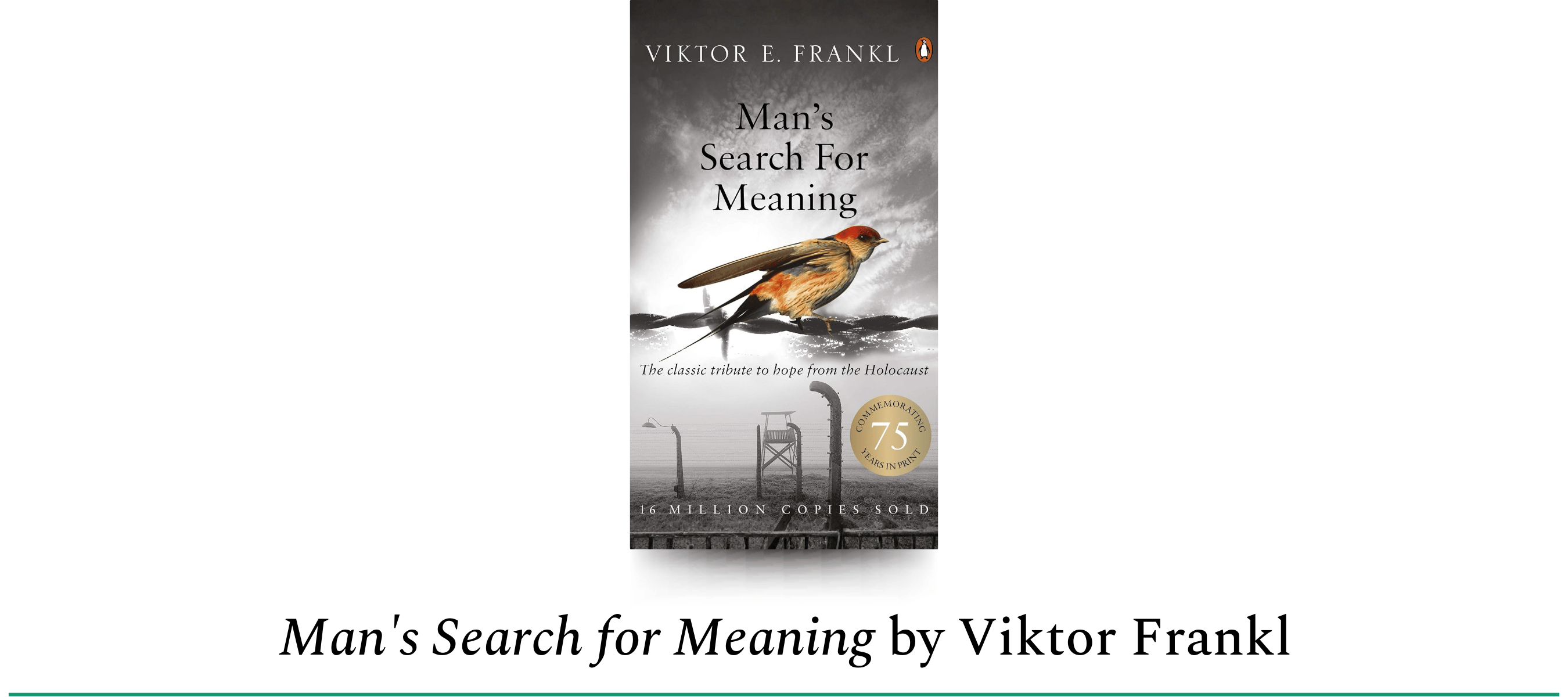
So I think I’d choose Viktor Frankl’s account of his life in a Nazi concentration camp, Man’s Search for Meaning. Originally published in 1946, it’s a book that readers continue to find relevant, decade after decade, because of its emphasis on how, even in circumstances of unimaginable suffering and inhumanity, where despair is a perfectly rational response, we can still find ways to be resilient and resourceful. The key is to maintain hope for the future and a sense of purpose that goes beyond the alleviation of our own suffering and is instead enmeshed in the human connections and relationships that give our lives meaning.
Roelof Botha, Sequoia Capital
The book I hand out to people is Man’s Search for Meaning by Viktor Frankl. Frankl was a Holocaust survivor, and the book doesn’t detail the horrors of what he endured, but it talks about the insight he had into human nature.
There are competing views of what motivates us. There’s the hedonistic view that we pursue pleasure. Then there’s Adler, who thought we pursue power, and that’s where we derive value and meaning in our lives. Frankl developed logotherapy based on the belief that purpose is what drives us. That purpose could be a mission, a family member, or a pursuit. But there’s something that keeps us going.
Frankl had this insight before he went into the concentration camps, but it was honed by his experience there. He saw, for example, that the death rate in the camp increased around Christmas and the New Year. Not that any of the captives were Christian, but it was a remembrance of time with family. People lost hope during those windows and basically gave up on life because they had no reason to live anymore. Frankl has this phrase, “Someone who has a ‘why’ will bear almost any ‘how.’”
When we think about our own personal life experiences, I think we need to understand meaning. Because money is not going to bring you happiness. It buys luxuries, but it’s not going to bring you happiness. I think it’s very important for people to define their personal happiness.
When it comes to building a company, mission-driven companies just do better. You can’t staple a mission onto a company if it’s inauthentic. It has to be truly authentic. Natera is a good example. It started with the CEO wanting to help people have healthy babies, and though it’s expanded, it remains such a mission-driven company. That mission defines the kind of decisions they make inside the company and gives people comfort when they’re pulling all-nighters or doing incredibly hard work to remember the purpose they’re serving.
Claire Hughes Johnson, Stripe
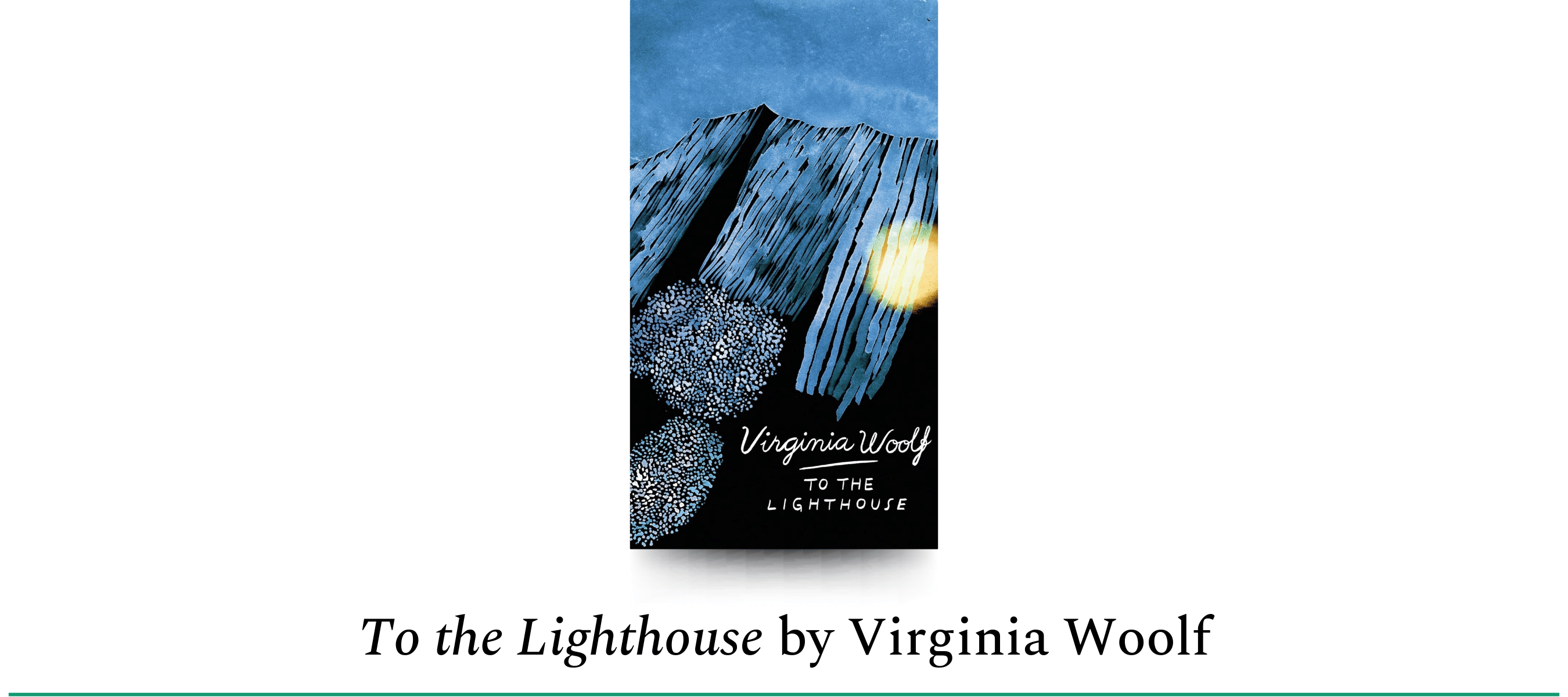
To the Lighthouse is an iconic novel. On one level, it’s about a family, but it’s about much more than that. It’s about death, existence, the human condition – and how we can be so close to someone without really knowing them.
From a formal perspective, Woolf immerses you in her characters’ innermost thoughts without using much dialogue and creates a dreamlike state. From the reader’s perspective, you’re surfing different perspectives, different inner monologues, and the passage of time. Nearly a hundred years after it was published, it’s a work that still feels innovative and disruptive.
Chris Miller, Author of Chip War
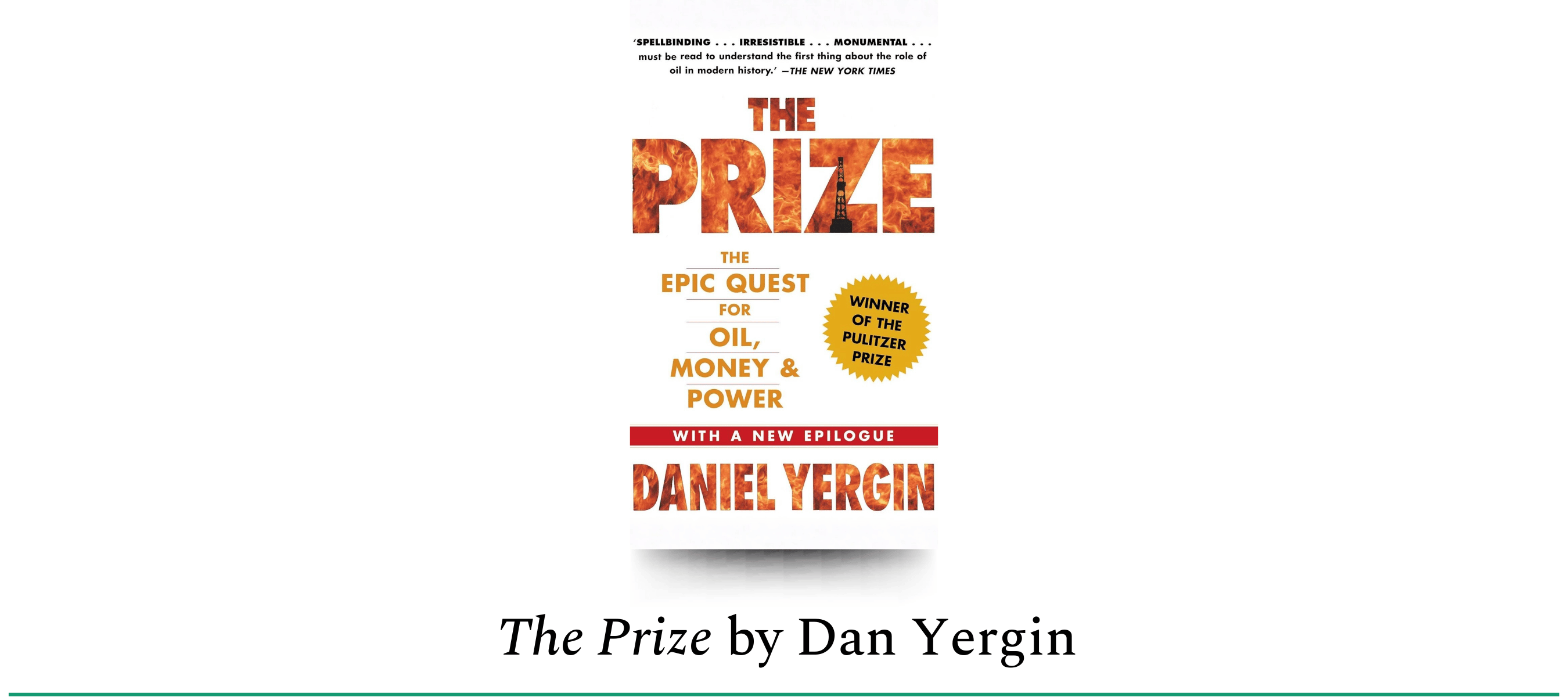
I really admire Dan Yergin’s The Prize. It’s a history of the last two hundred years through the lens of the most important industry of that period: oil. It’s got it all: the personalities, business, geology, politics, and wars that defined that period. I think you could do no better in understanding why the world is structured the way it is than by reading that one book.
Rebecca Kaden, Union Square Ventures
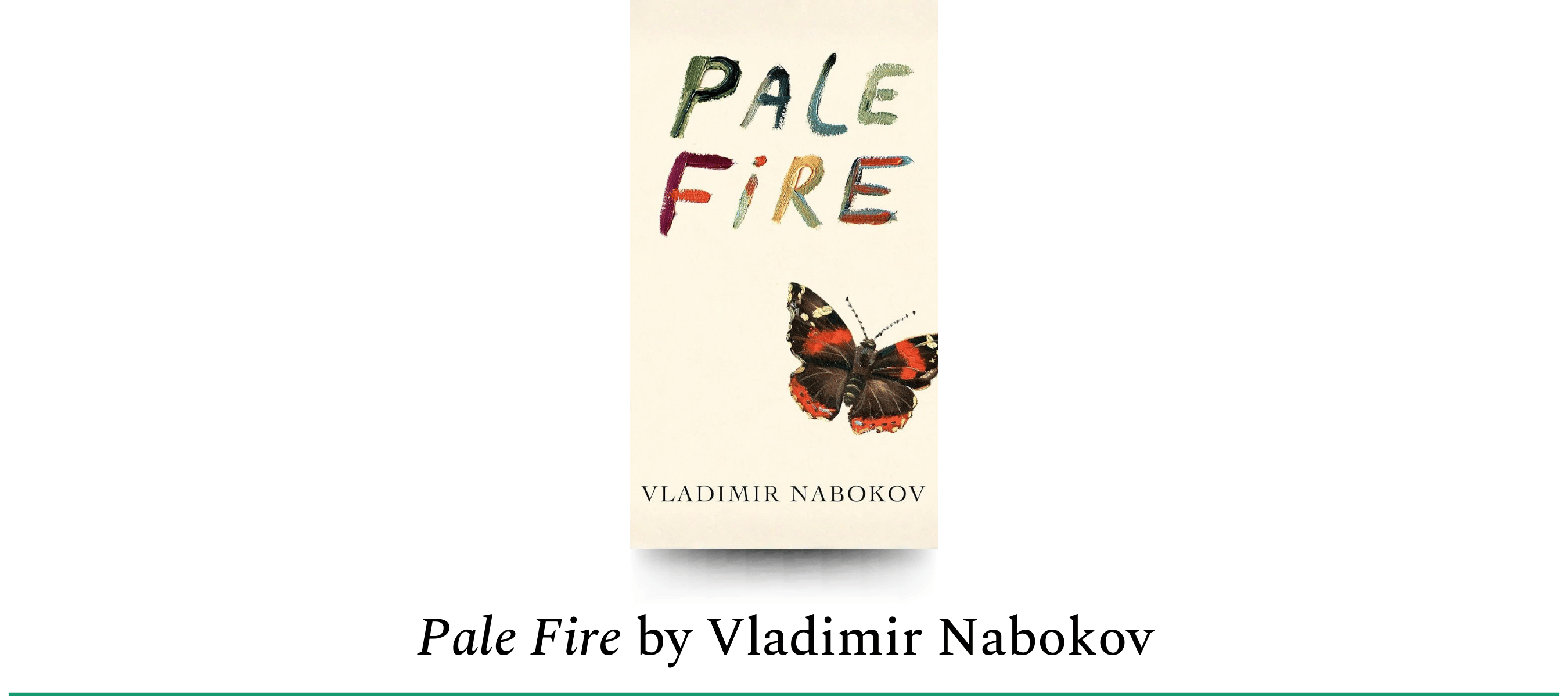
I’d choose Pale Fire by Vladimir Nabokov. It’s a wild, unusual book by an unusual person and author. It’s structured as a fictional 999-line poem and then a fictional line-by-line annotation of it. It requires a lot of choices at every turn – including how to read it (the poem and then the annotation? Flipping back and forth?). So it makes you work for it. But at heart, it’s an incredible work about the relevance of stories, how thin the line is between our reality and the narratives we tell ourselves, and the importance of those narratives for sustenance. It’s also about imagination and creation, and that whole worlds can be created by powerful ideas. It asks the reader to constantly figure out what is real and what is not, or to give up and accept the uncomfortable state of not knowing, thereby embracing the story. I love reading across genres, but nothing deepens my thinking and takes my mind to new places like great works of fiction.
Toby Ord, Oxford University
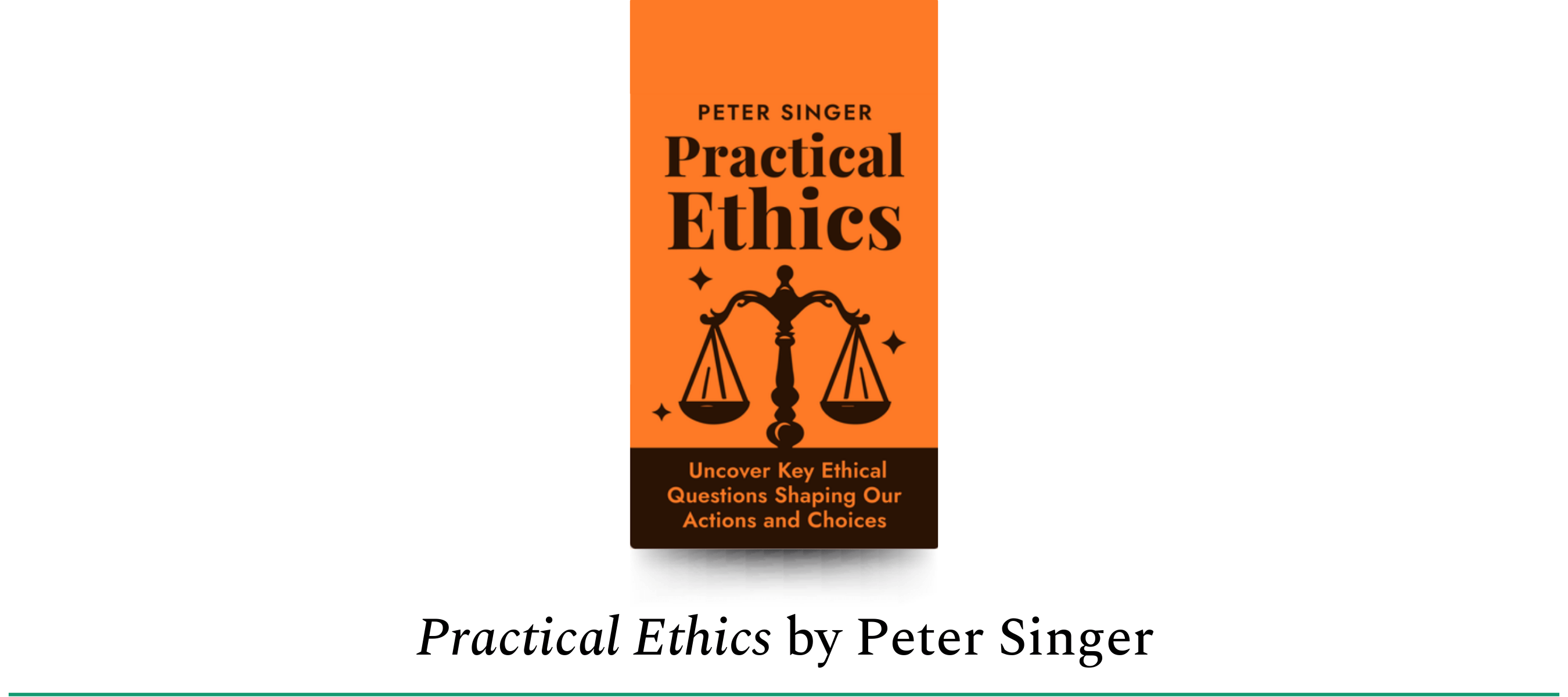
Practical Ethics by Peter Singer is a really good, no-nonsense approach to thinking about ethics. It really helps show you how to reason about all kinds of issues with an open mind, without assuming that our current ethical intuitions are the be-all and end-all.
In that vein, Derek Parfitt mentions that there’s really only been a couple of generations in which people have made what he calls “non-religious ethics” their life’s work. If you look at the whole history of philosophy, almost all ethical discussions occurred within a religious context where the set of possible answers had to align with what had been thought thousands of years earlier. There had really only been a couple of exceptions. And only a short period of time since that kind of inquiry became more widespread. Parfitt saw that as a reason to be optimistic about the possibility of making substantial moral progress.
Sara Seager, MIT
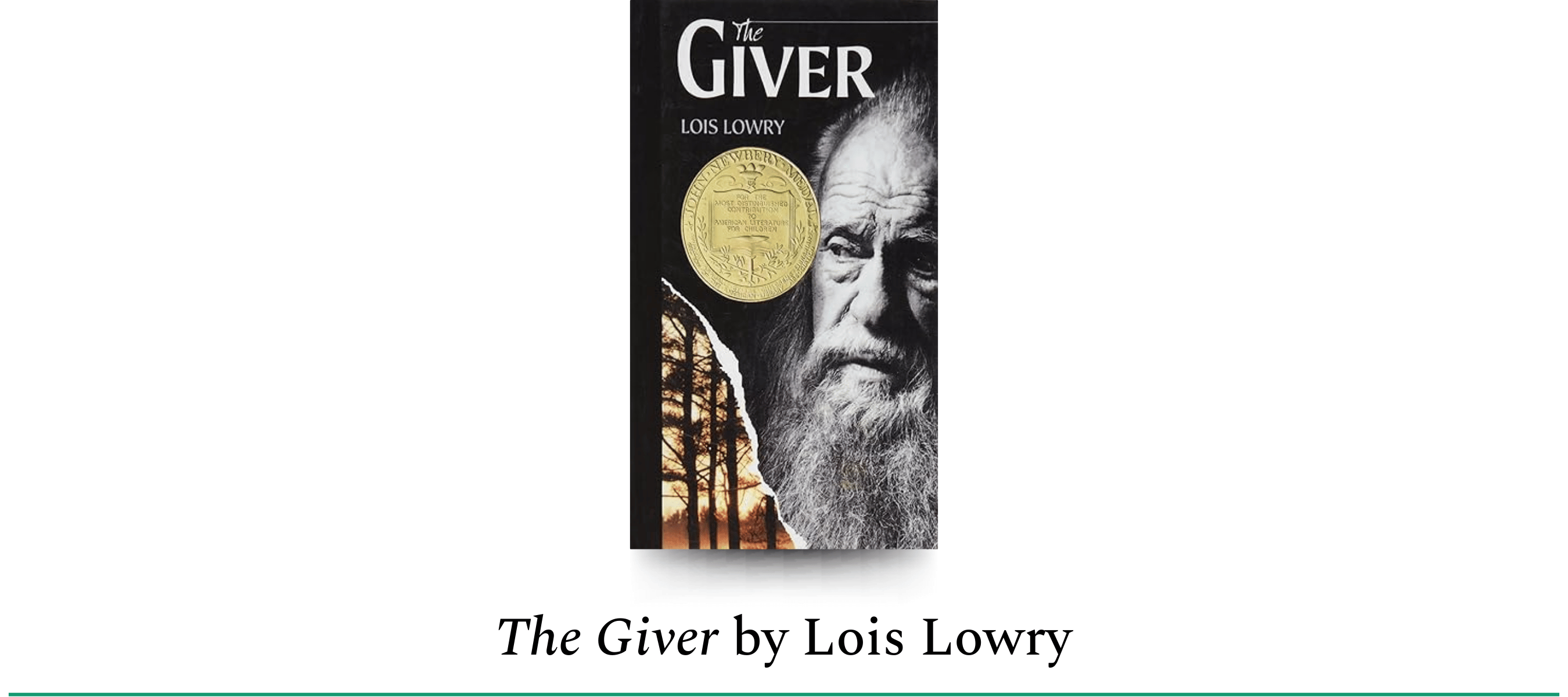
I would choose The Giver. It’s required middle school reading in parts of America. That’s actually how I came across it: discovering it when my kids were in school. It’s absolutely astonishing. You’re reading this book set in what is supposed to be a utopia. But partway through, there’s a crack in the facade.
I feel like we’re all living in a bubble of this kind, and every once in a while, there’s a crack. It’s our job to look through the crack and figure out what it means for us and those around us.
Martin Casado, a16z
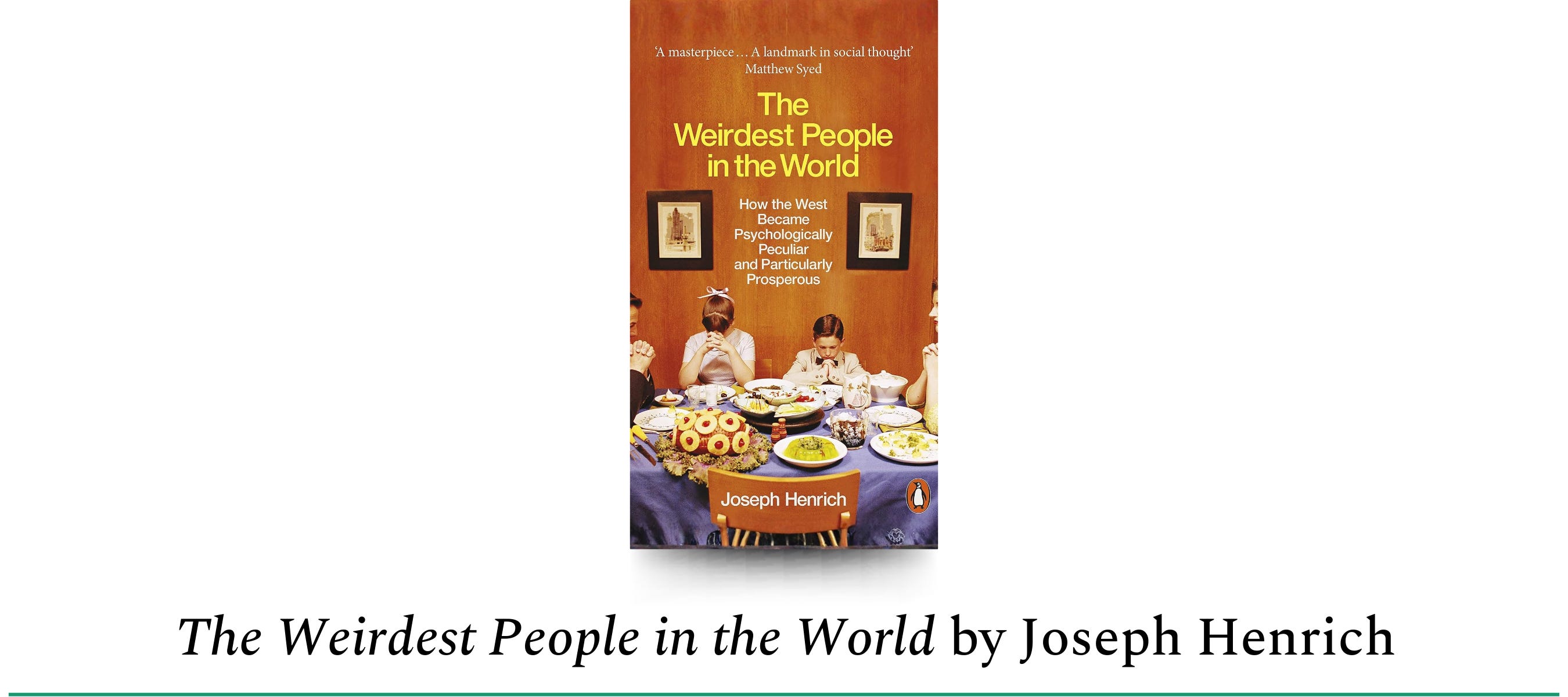
I’d pick The Weirdest People in the World by Joseph Henrich. It basically says that the Protestant Revolution changed the way we associated ourselves and each other. We used to be very, very tribal, which impacts trust. The Protestant Revolution forced nuclear families and separation, and those shifts required us to be pro-social.
It has a second thesis on how free markets produce pro-social behavior. The reason I’d choose it is that if you look at the long arc of humanity, the ultimate enemy is entropy. That never goes away, and I don’t think any single tribe solves that. So you need pro-social behavior to actually undertake planetary-level innovation, and to do that, we need to understand how we operate when it comes to trust, coordination, and cooperation.
Beyond that, I’d mention David Deutsch’s The Beginning of Infinity, Taleb’s Statistical Consequences of Fat Tails, Hamming’s The Art of Doing Science and Engineering, Fukuyama’s The End of History and the Last Man.
Fukuyama has since recanted on the view in the book, but it’s this Hegelian take on humanity, the conclusion of which is that liberal democracy is the end of history. I think that’s being questioned right now, but Fukuyama does such a great job of outlining the Hegelian perspective and showing there is this evolution of humans, and we are continuing to get better. Fukuyama thought that maybe we’d arrived; the conclusion now is that we haven’t. But I love the idea that, as a species, we’re improving how we interact, how we make policies, and how we socialize.